By
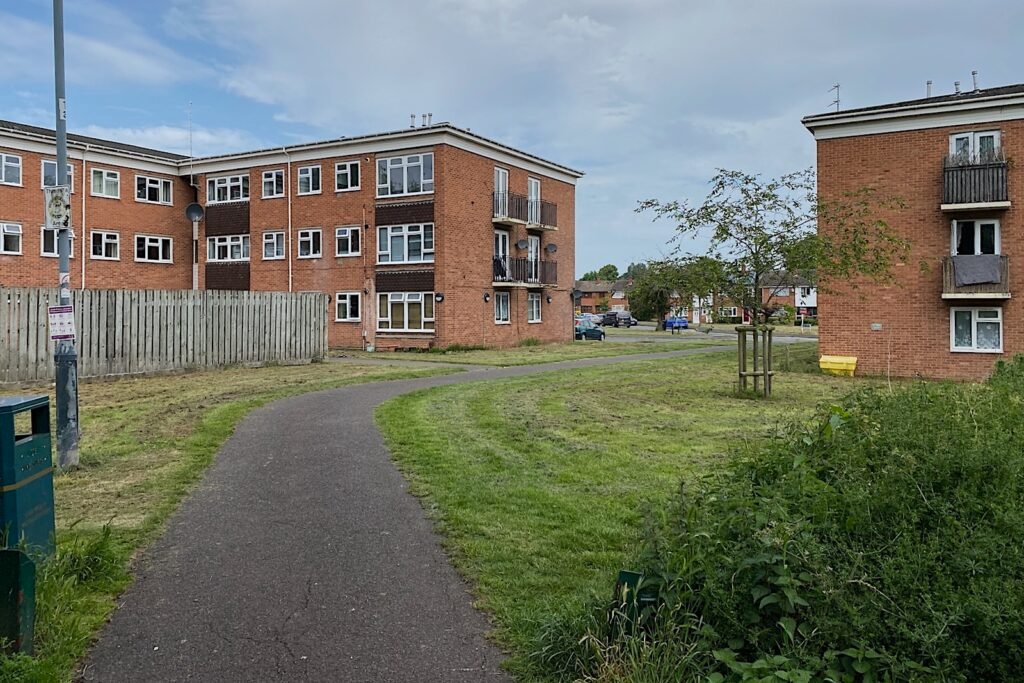
Warwick District Council has set out how long it expects the parts of its council homes to last, which gives tenants a rough idea of when a new kitchen, bathroom or boiler should be due. The figures are in a new draft Cyclical and Planned Maintenance Policy, which went to the council’s Housing Scrutiny Committee on Tuesday 3 November.
On this page
Councillors were asked to endorse it ahead of a Cabinet decision this month. The report says the point is to let tenants know how and when improvements to their homes will be planned.
How long Warwick council home fittings are expected to last
| Part of the home | Expected life |
|---|---|
| Kitchen | 20 years |
| Bathroom | 30 years |
| Boiler | 15 years |
| Shower | 10 years |
| Windows | 30 years |
| Front and back doors | 30 years |
| Electrical rewire | 30 years |
| Carbon monoxide detector | 10 years |
| Loft insulation | 25 years |
| Lift (in blocks with one) | 25 years |
These aren’t dates tenants can hold the council to. The clock starts when the item was installed, but the draft says a judgement of its actual condition takes priority, so a kitchen in good order could stay longer and one in poor condition could go sooner. Work can also be brought forward to deal with a case under Awaab’s Law, where that gives a long-term fix or costs less.
What else the policy promises Warwick tenants
- At least a month’s notice of major works, with information and options for vulnerable tenants where possible.
- A survey of each home at least every five years, with about a fifth of homes surveyed each year, mostly by the council’s own team.
- Outside walls and communal areas redecorated every five to seven years.
- A target of at least 70% of the maintenance budget going on planned rather than emergency work.
The report says money for this work, and for getting every home to at least an EPC rating of C by 2030, is already in the housing business plan from February, mostly from the major repairs reserve and borrowing. It adds that residents asked to see the five-year investment plan when they were consulted. That plan is still to be updated.
Why it matters
The council referred itself to the Regulator of Social Housing and expects an inspection during 2027. The report calls this policy a fundamental part of the service that is currently missing. It doesn’t cover everyday repairs, which have their own policy: we reported this week on the overdue repairs backlog and fire safety work in council flats.
Know more about this, or got another story? Send us a story, a photo or a press release. We read everything.